logo
Jiangsu Shengman Drying Equipment Engineering Co., Ltd
О нас
Ваш профессиональный и надежный партнер.
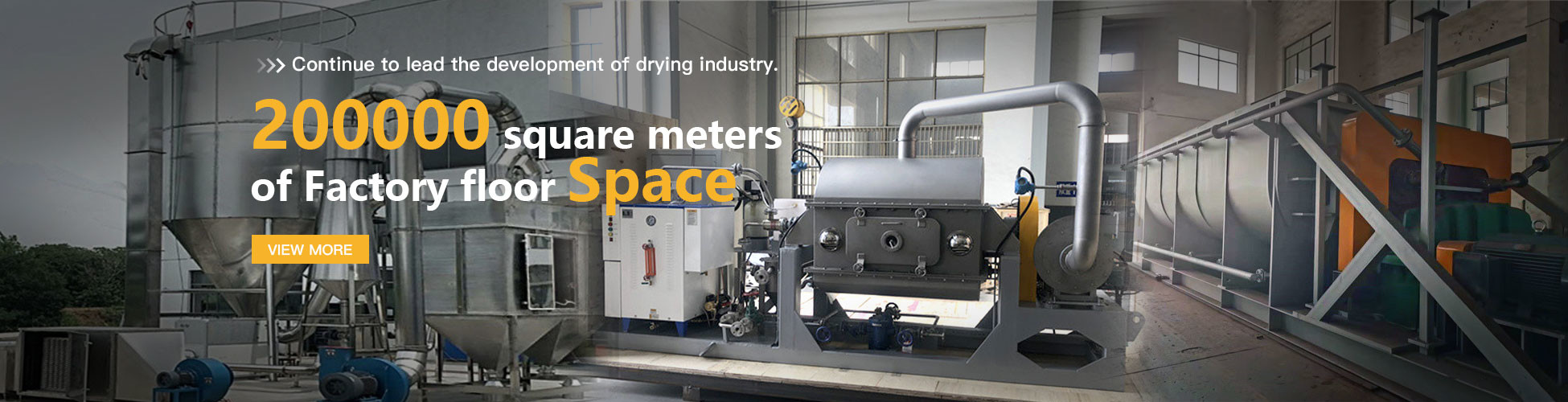
Цзянсу Shengman суша CO. организации эксплуатации оборудования, Ltd, установленный в 2011, известный как местное ведущее высокотехнологичное предприятие, расположено в городке Zhenglu, Changzhou, Цзянсу, Китае. Shengman предприятие крупносерийного производства в Китае суша индустрию с зарегистрированной столицей 100 000 000 RMB, специализированной в конструировать &manufacturing различные виды сушильщиков, грануляторы, смесители, точильщики, перевозчики пыли, etc. Shengman имеет зону излишек 200...
Учить больше

0

Год основания

0

Миллион+
Работники

0

Миллион+
Годовой объем продаж
КИТАЙ Jiangsu Shengman Drying Equipment Engineering Co., Ltd Высокое качество
Печать доверия, проверка кредитоспособности, RoSH и оценка способности поставщика. Компания имеет строгую систему контроля качества и профессиональную лабораторию.
КИТАЙ Jiangsu Shengman Drying Equipment Engineering Co., Ltd Развитие
Внутренняя профессиональная команда дизайнеров и мастерская передовых машин. Мы можем сотрудничать, чтобы разработать продукты, которые вам нужны.
КИТАЙ Jiangsu Shengman Drying Equipment Engineering Co., Ltd Производство
Продвинутые автоматические машины, строгая система управления процессом. Мы можем изготовить все электрические терминалы за пределами вашего спроса.
КИТАЙ Jiangsu Shengman Drying Equipment Engineering Co., Ltd 100% СЕРВИС
Насыщенная и индивидуальная небольшая упаковка, FOB, CIF, DDU и DDP. Позвольте нам помочь вам найти лучшее решение для всех ваших проблем.

Качественный Машина сушки пульверизатором & неубедительный сушильщик затвора производитель

Найдите продукты, которые лучше отвечают вашим требованиям.
Случаи и новости
Последние горячие точки
Безопасные и эффективные методы гранулирования для теплочувствительных пищевых добавок
  1Проблемы отрасли Теплочувствительные пищевые добавки, такие как витамины, ферментные порошки и ароматизаторы, подвержены деградации или испарению во время обработки.Традиционные методы влажного гранулирования или высокотемпературные методы могут уменьшить количество активных компонентов., влияющие на функциональность и вкус. 2Принцип технологии сухого гранулирования Сухое гранулирование на ролике механически сжимает порошок в листы с высокой плотностью, затем разрезает их в однородные гранулы.сохранение теплочувствительных компонентовРегулируемые роликовые отверстия и гидравлические системы позволяют точно контролировать плотность и твердость гранул. 3Технические преимущества Сохранение активности: максимизирует сохранение активности теплочувствительного ингредиента, обеспечивая функциональную целостность. Однородные гранулы: резка и вторичная измельчение обеспечивают постоянный размер частиц, улучшая пропускную способность и однородность смешивания. Энергоэффективность: не требуется воды или сушки, что снижает потребление энергии и затраты на производство. Безопасность эксплуатации: отличное уплотнение предотвращает утечку пыли, обеспечивая безопасность оператора. 4Примеры применения Сухое гранулирование подходит для питательных порошков, функциональных премиксов напитков и ароматических смесей.создание эффективных и стабильных производственных линий;. 5Заключение. Для производителей продуктов питания использование сухой гранулировки для теплочувствительных добавок обеспечивает сохранение активности и вкуса при одновременном повышении эффективности производства.контролируемая переработка в пищевой промышленности

2026

06/04

Dry Granulation vs Wet Granulation in Food Industry
A Complete Comparison for Food Powder Processing 1. Introduction In the food processing industry, powder handling plays a critical role in product quality, stability, and manufacturing efficiency. Two widely used methods for powder granulation are dry granulation and wet granulation. Both techniques are used to improve powder flowability, reduce dust, enhance compressibility, and ensure uniform mixing. However, they differ significantly in process, equipment, cost, and application. This article provides a detailed comparison of dry granulation vs wet granulation in food industry applications, helping manufacturers choose the right solution for their production needs. 2. What is Dry Granulation? Dry granulation is a process that compacts powder materials without using any liquid binder. It typically uses mechanical pressure, such as a roller compactor or slugging system, to form dense flakes or briquettes, which are then milled into granules. Key Characteristics: No liquid or solvent required Uses high pressure compaction Suitable for heat- or moisture-sensitive materials Simple and energy-efficient process Common Food Applications: Milk powder reprocessing Cocoa powder agglomeration Seasoning and spice powders Instant beverage powders Protein and nutritional powders 3. What is Wet Granulation? Wet granulation involves adding a liquid binder (such as water or food-grade solutions) to powder materials to form agglomerates. The wet mass is then dried and sized into granules. Key Characteristics: Requires liquid binder Includes mixing, wet massing, and drying steps Produces strong and uniform granules More time and energy consuming Common Food Applications: Instant drink mixes Baking ingredient premixes Flavored powder blends Food additives requiring high uniformity 4. Dry Granulation vs Wet Granulation: Key Differences Feature Dry Granulation Wet Granulation Liquid usage No liquid required Requires binder solution Process steps Simple (compaction + milling) Complex (mixing + drying) Energy consumption Low High Equipment cost Moderate Higher (includes dryer) Suitable materials Heat/moisture-sensitive powders Stable powders Production speed Faster Slower Dust control Good Excellent Granule strength Medium High 5. Advantages of Dry Granulation in Food Industry Dry granulation is increasingly preferred in modern food manufacturing due to its simplicity and efficiency. Key Advantages: No need for drying process Suitable for heat-sensitive food ingredients Lower production cost and energy consumption Reduced processing time Environmentally friendly (no liquid waste) Easy integration into continuous production lines Especially in industries like milk powder, cocoa processing, seasoning, and nutritional supplements, dry granulation is widely adopted. 6. Advantages of Wet Granulation Wet granulation still plays an important role in certain food applications where strong binding and uniform particle structure are required. Key Advantages: Produces very strong and stable granules Excellent content uniformity Suitable for complex formulations Better control over granule size distribution However, it requires more equipment, energy, and processing time. 7. When to Choose Dry Granulation? Dry granulation is the preferred option when: The material is sensitive to heat or moisture A simple and cost-efficient process is required Continuous production is preferred Dust reduction and flowability improvement are needed Reprocessing of fine food powders is required 8. When to Choose Wet Granulation? Wet granulation is more suitable when: Strong granule formation is required The formulation allows moisture and drying High uniformity is critical Complex ingredient binding is needed 9. Industry Trend: Why Dry Granulation is Growing in Food Manufacturing In recent years, food manufacturers are increasingly shifting toward dry granulation technology because it offers: Lower operational cost Cleaner production process Better energy efficiency Continuous manufacturing compatibility Reduced environmental impact With the growth of instant food products and nutritional powders, demand for roller compaction dry granulation systems continues to increase globally. 10. Conclusion Both dry granulation and wet granulation are important technologies in food powder processing. However, their applications differ based on material properties and production requirements. Dry granulation is ideal for efficient, low-cost, and moisture-sensitive food processing. Wet granulation is suitable for high-strength and highly uniform granule production. For modern food manufacturing, dry granulation is becoming the preferred solution due to its simplicity, efficiency, and sustainability.

2026

06/17